Our history
MARZOLI 
174 Years of Innovation and Excellence
1851
The beginning of an entrepreneurial journey
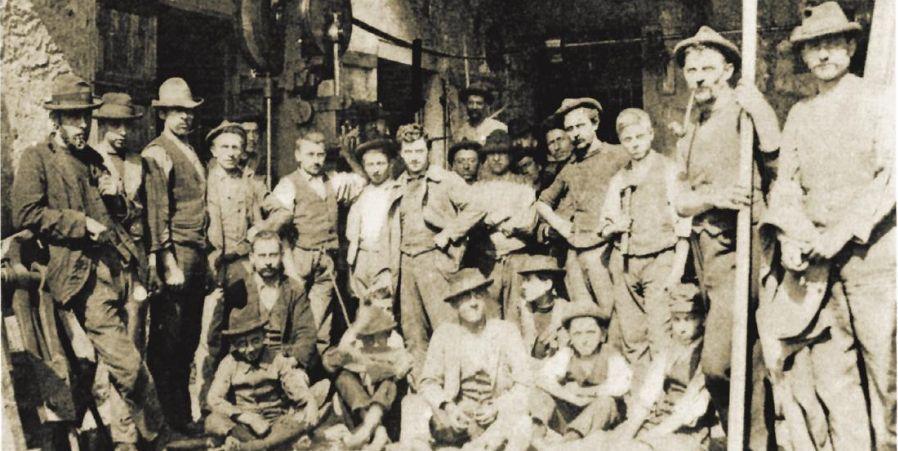
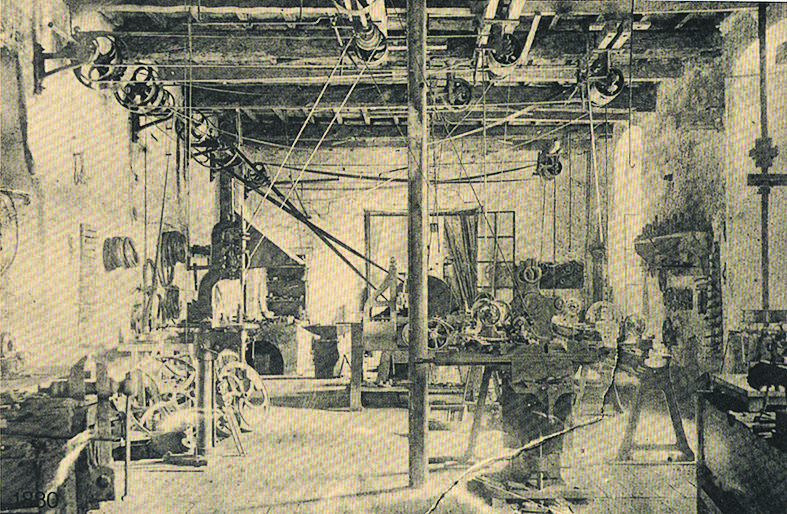
Our story begins in Mura di Palazzolo s/O, where Cristoforo Marzoli decided to open a precision mechanics workshop. In addition to manufacturing weapons, he specialized in producing spare parts for spinning machines used in silk, cotton, and linen processing—industries that were rapidly expanding at the time.
1870-90
The early challenges of the textile machinery industry
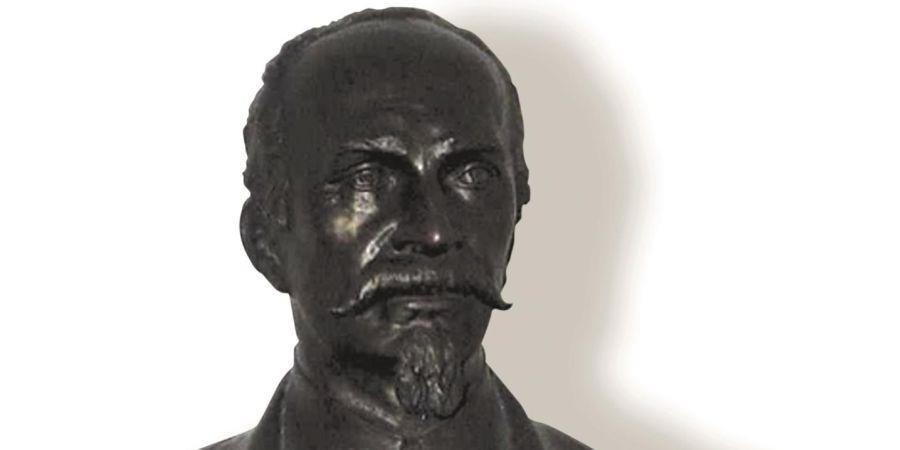
With the support of his sons Francesco, Gaetano, and Vittorio, Cristoforo Marzoli began manufacturing components for spinning machines—previously produced exclusively in England.
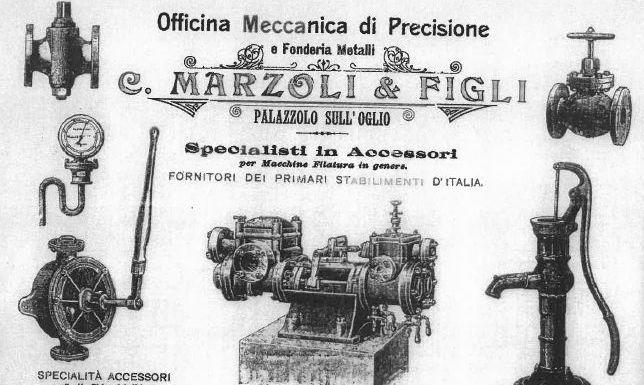
In 1890, we showcased four complete spinning frames, soon followed by many more. Riding the wave of success, we moved into a former silk spinning mill and expanded our production to include taps and fittings, well pumps, and equipment for winemaking.
In 1890, we showcased four complete spinning frames, soon followed by many more. Riding the wave of success, we moved into a former silk spinning mill and expanded our production to include taps and fittings, well pumps, and equipment for winemaking.
1905-10
The transformation into a structured company
We became a limited partnership under the name Fratelli Marzoli & Co., led by Francesco Marzoli.
Although the silk and cotton industries were facing a severe crisis, we identified new production opportunities—particularly in Austria—and simultaneously expanded into new sectors. These included the development of machinery for button manufacturing, as well as the production of bullets and specialized components for the army and navy.
Although the silk and cotton industries were facing a severe crisis, we identified new production opportunities—particularly in Austria—and simultaneously expanded into new sectors. These included the development of machinery for button manufacturing, as well as the production of bullets and specialized components for the army and navy.
1922-24
Expansion and Italian Industrial Identity
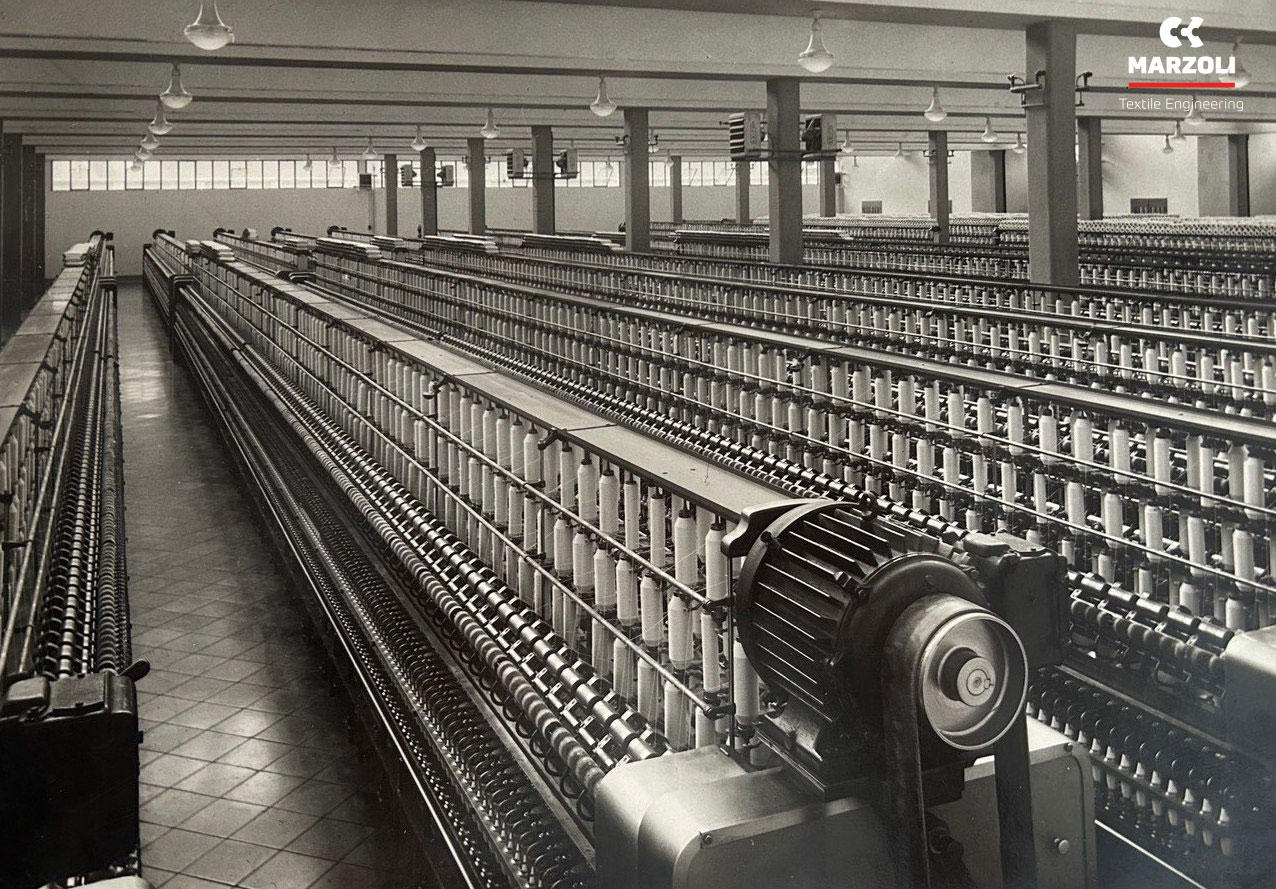
After World War I, we expanded further under the leadership of Luigi Marzoli, who traveled to America to deepen his knowledge of textile machinery manufacturing. Italo focused on technical development, while Carlo managed the commercial side of the business.
Thanks to their efforts, we were able to supply the Crespi factory with the first systems built entirely using Italian-made materials.
During the same period, we began entering new international markets such as Poland, France, and British India, and we started producing machinery for textile fiber processing.
Thanks to their efforts, we were able to supply the Crespi factory with the first systems built entirely using Italian-made materials.
During the same period, we began entering new international markets such as Poland, France, and British India, and we started producing machinery for textile fiber processing.
1942
Our own energy and resources
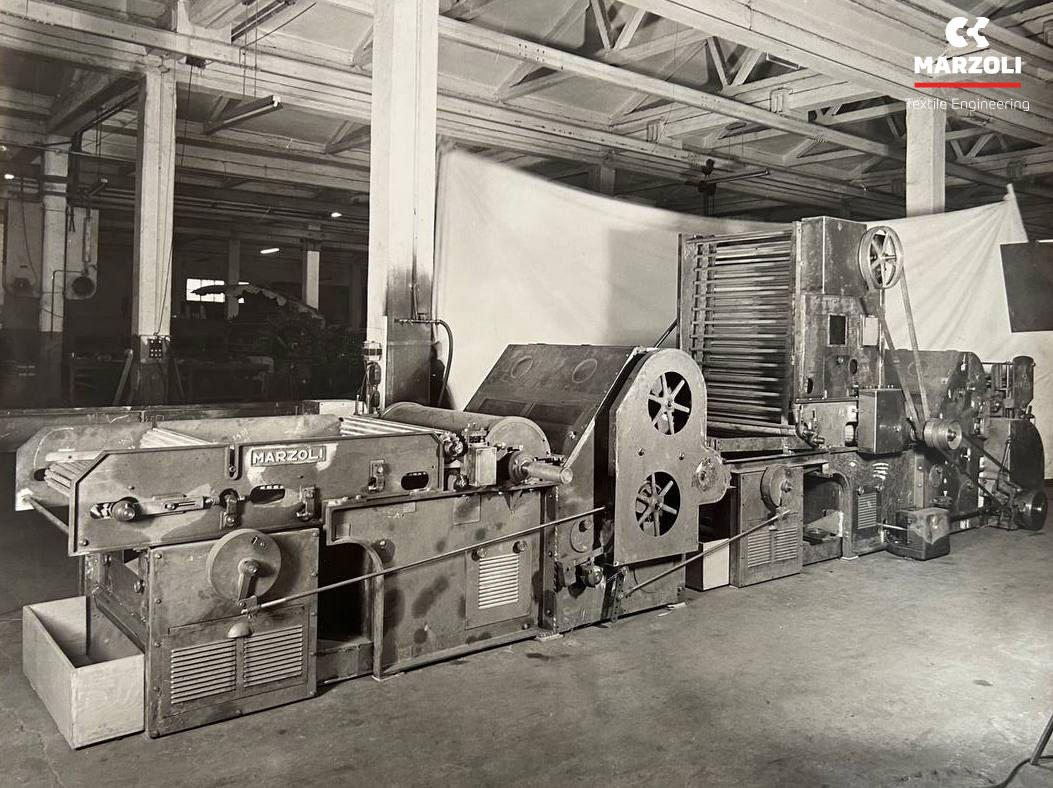
As World War II brought increasingly strict restrictions on raw material imports, we began exploring iron ore deposits in the Valtrompia and Valcamonica regions. Local mining sites were established, eventually reaching a daily iron ore output of over 100 tons.
At the same time, we secured our energy needs by constructing hydroelectric power plants, achieving a total output capacity of 3,000 kW.
At the same time, we secured our energy needs by constructing hydroelectric power plants, achieving a total output capacity of 3,000 kW.
1973
Innovation and renewal under new leadership
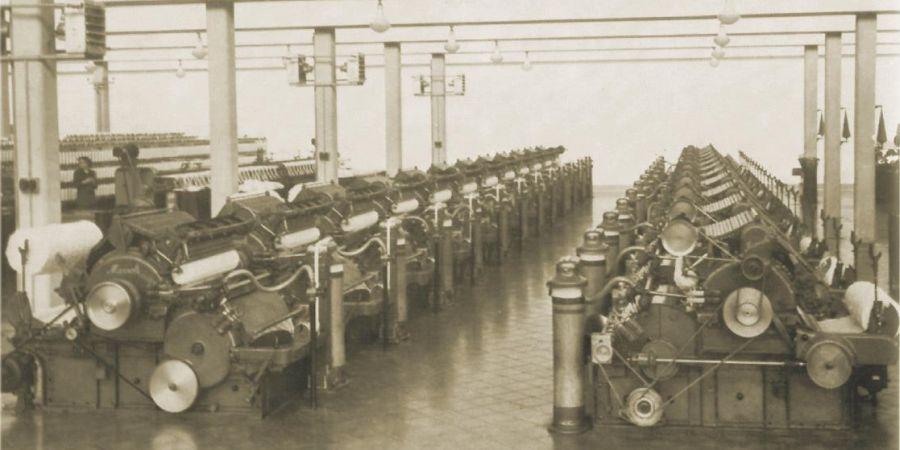
During these years, our facilities expanded to over 70,000 square meters, and our workforce grew to 1,200 employees.
Together with Rieter, we remained the only European manufacturer capable of supplying a complete spinning line.
With the arrival of new management, a decisive program of restructuring and technical innovation was launched.
Together with Rieter, we remained the only European manufacturer capable of supplying a complete spinning line.
With the arrival of new management, a decisive program of restructuring and technical innovation was launched.
1999
A new beginning: joining the Camozzi Group
In March 1999, we became part of the Camozzi Group, establishing the Group’s Textile Machinery Division, where traditional technologies are integrated with digital solutions.
2000-10
Lean restructuring and technological transformation
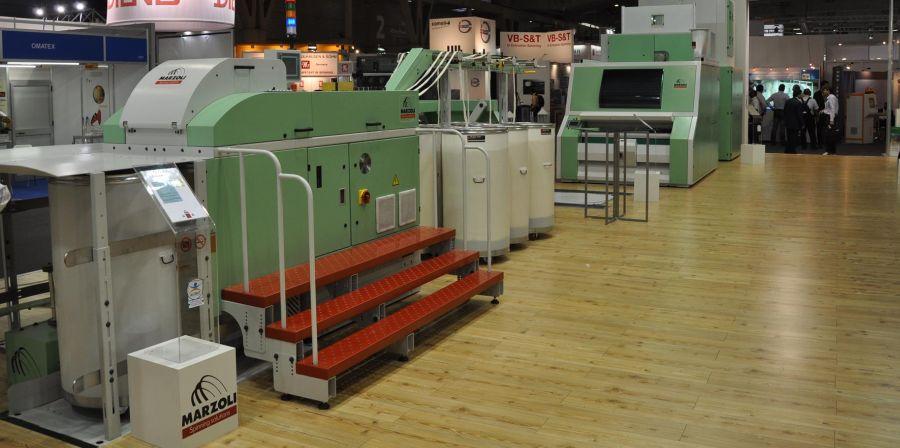
Under the guidance of the Camozzi Group, and thanks to technical, methodological, and R&D synergies—as well as a strong commitment to innovation and internationalization—we underwent a second major organizational and technological restructuring.
Assembly lines were reorganized following lean manufacturing principles, and departments were managed according to Total Quality Management (TQM) practices.
Assembly lines were reorganized following lean manufacturing principles, and departments were managed according to Total Quality Management (TQM) practices.
2011-15
Digitalization and Process Innovation
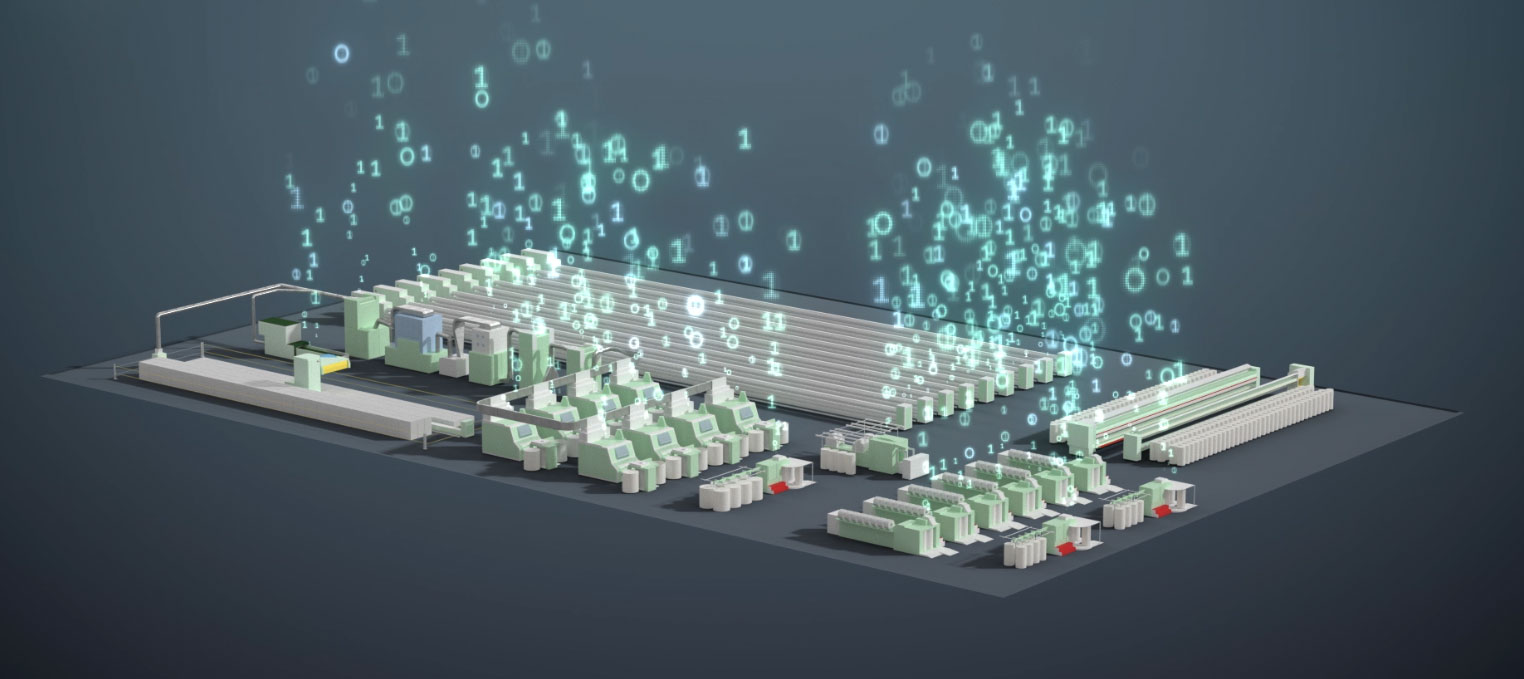
In 2011, we launched the new Galileo machine line and initiated a new project aimed at integrating the benefits of the latest information and communication technologies into our systems.
After four years of development, the project led to the presentation—at ITMA 2015 in Milan—of two new software platforms: one for optimizing the entire spinning process, and the other for predictive machine maintenance.
After four years of development, the project led to the presentation—at ITMA 2015 in Milan—of two new software platforms: one for optimizing the entire spinning process, and the other for predictive machine maintenance.

2019-25
Textile Engineering: a new payoff, a new concept
In 2019, Marzoli Textile Engineering was born—a new concept that represents the evolution of our identity. It merges innovation and tradition while embracing circular economy principles and the adoption of new materials and production processes.
Marzoli Textile Engineering embodies a modern industrial vision—one that is prepared to meet future challenges while remaining firmly rooted in technical expertise.
In 2021, we expanded further by opening a new branch in Uzbekistan.
Marzoli Textile Engineering embodies a modern industrial vision—one that is prepared to meet future challenges while remaining firmly rooted in technical expertise.
In 2021, we expanded further by opening a new branch in Uzbekistan.